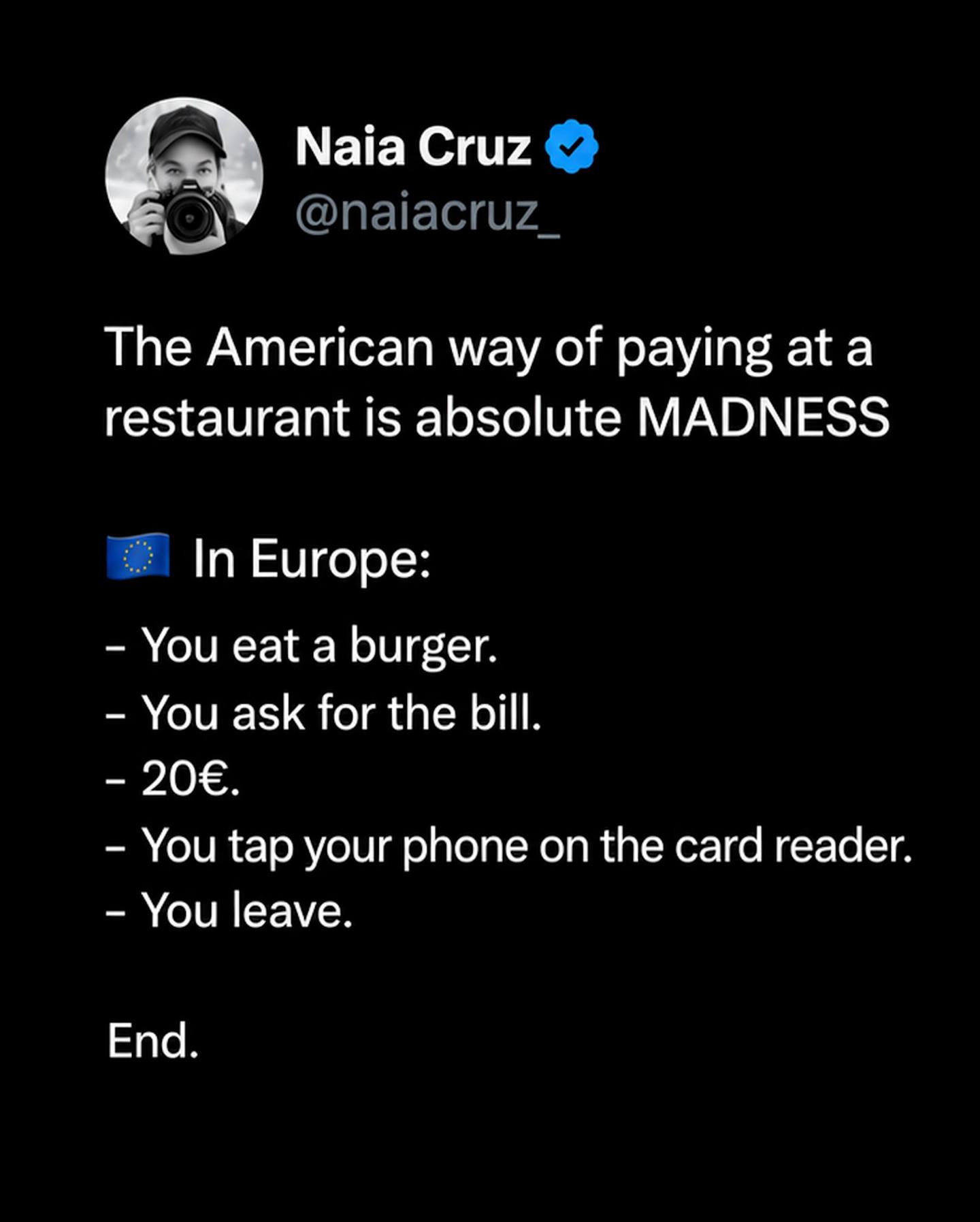
The boundary between a polite gesture of appreciation and an obligatory surcharge has grown increasingly blurred. Across the globe, what once functioned as an occasional reward for exceptional service has transformed into a systemic expectation, sparking intense debate among diners, service workers, and economists alike. As payment screens prompt for higher percentages before a service is even rendered, the fundamental philosophy of tipping is undergoing a profound cultural re-examination.
The Evolution of Gratuity and Economic Realities
At the heart of the debate lies a stark contrast between employment models. In many regions, service staff receive a dependable base wage, treating tips as a genuine bonus for memorable hospitality. Conversely, parts of North America rely on a structure where a significant portion of a worker's income depends directly on customer gratuities.
While critics argue this shifts operating costs away from business owners and onto patrons, the dynamic is complicated by the fact that many service workers prefer the arrangement. On busy nights, skilled staff can earn substantial hourly equivalents that far exceed standard entry-level wages.
When I was serving in college, I used to come home with roughly $1000 for a 10 hour double shift on a Saturday— that’s $100/hr. One day of work paid my rent for the month— there are very few jobs that pay that well.
This financial upside creates a division within the industry itself. While some customers advocate for structural wage reform, many front-of-house employees fiercely protect a system that can prove highly lucrative during peak operational hours.
The Creep of Digital Prompting and International Tipping Norms
The friction has intensified with the proliferation of digital payment terminals and mobile ordering apps. Customers are frequently greeted with automated tip prompts starting at high percentages—even in environments where human interaction is minimal, such as counter-service coffee shops or automated pick-up stations.
This phenomenon is no longer confined to traditional dining hubs. Travelers encounter similar digital gratuity prompts across Europe and other international markets, leading to growing frustration among consumers who view the trend as an imported nuisance.
Eh, tipping is creeping in in Europe, in Ireland at least. I see lots of people just leaving tips of 10 to 15% regardless of service, which was always a thing in a 'fancy' restaurant to some extent but it's getting more and more popular. These same people will say they 'tip everywhere' and then will complain about machines prompting for tips, without seeing correlation there at all.
For diners accustomed to straightforward pricing where taxes and service fees are fully integrated into the cost of goods, the social pressure of digital prompts can feel manipulative, turning a straightforward transaction into an awkward social negotiation.
Redefining Service and Accountability
As the baseline percentage for acceptable tips creeps upward—moving from traditional benchmarks toward twenty-five percent—consumers are beginning to push back. The core dilemma centers on what truly constitutes quality service. When tipping becomes an automatic expectation rather than a reflection of exceptional hospitality, it loses its original function as an evaluation of labor.
And if you were, a tip is a reward from the customer for your exceptional service.
If it becomes an expectation regardless of service level, it's not a tip - it's a surcharge.
Resolving these systemic tensions will require greater transparency in pricing and labor models. Until then, diners and workers alike will continue to navigate an uneasy compromise between hospitality traditions and modern economic pressures.