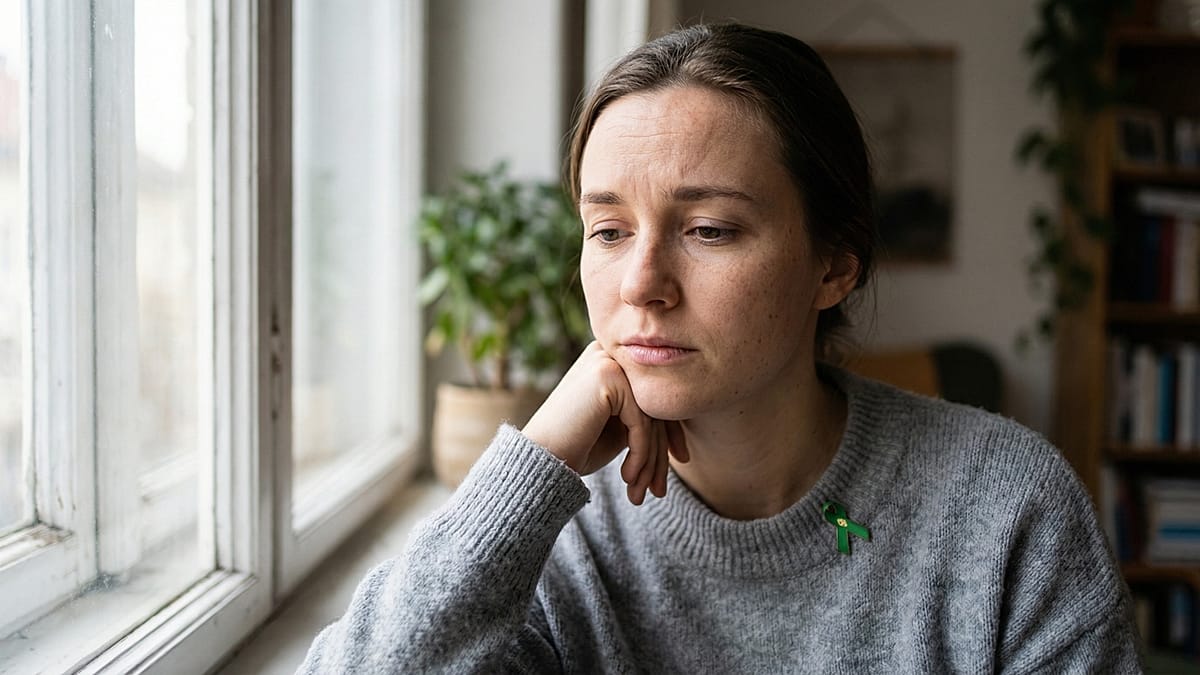
Beginning 1 December, workers in Spain experiencing incapacitating health conditions linked to the menopause will gain access to specialized medical leave. The reform, approved by the government, builds on previous legislation introducing menstrual leave and aims to address workplace health issues that have historically received little attention.
Understanding the New Regulations
The policy does not grant automatic leave to anyone going through the menopause. Instead, individuals must undergo a medical assessment to determine if they suffer from a secondary menopausal disorder that temporarily prevents them from performing their job duties. Once a doctor issues a sick note, the information is transmitted electronically through Social Security without requiring physical paperwork to be handed directly to employers.
Financial provisions under the new leave differ from standard regulations for common illnesses. While general sick leave in Spain typically excludes payment for the first three days, the new menopause-related leave provides benefits starting on the second day. The employer covers the salary for the first day, after which Social Security provides a benefit equal to 60% of the regulatory base for the first 20 days, increasing to 75% thereafter. Furthermore, the standard requirement of having made Social Security contributions for at least 180 days over the previous five years is waived for this specific leave.
Public Reaction and Debate
The introduction of the policy has sparked discussion regarding its implementation and broader labor practices. Some observers questioned why specific conditions require separate frameworks rather than modifications to existing systems, noting broader debates surrounding unpaid waiting periods for common illnesses.
Why can’t it just be treated like any other medical condition? - if you’re sick you take sick leave.
Others pointed out the specific structural differences intended to support workers dealing with chronic, recurring absences rather than short-term ailments.
This is the difference. This thing is aimed at people who have a chronic condition and need to regularly be absent. If you wake up with cramps you can already call in sick.
Additional discussions centered on how the policy interacts with Spain's standard sick leave structure, where initial days are often unpaid unless modified by collective bargaining agreements or specific legislative acts.
In Spain, if you are sick for 3 days, that is literally unpaid. This new law allows women to get paid on the second day (first day is still unpaid) if it was due to menopause related issues.
Broader European Context
With this update, Spain remains distinct within Europe regarding formal workplace regulations for the menopause. Neighboring countries such as Germany, Italy, Greece, Portugal, and Turkey do not feature equivalent targeted leave policies, relying instead on standard sick leave frameworks for employees whose symptoms impact their ability to work. Proponents of the Spanish reform argue it represents a necessary step in adapting social protection systems to modern health needs, while ongoing discussions continue regarding the balance between targeted health policies and universal labor standards.

