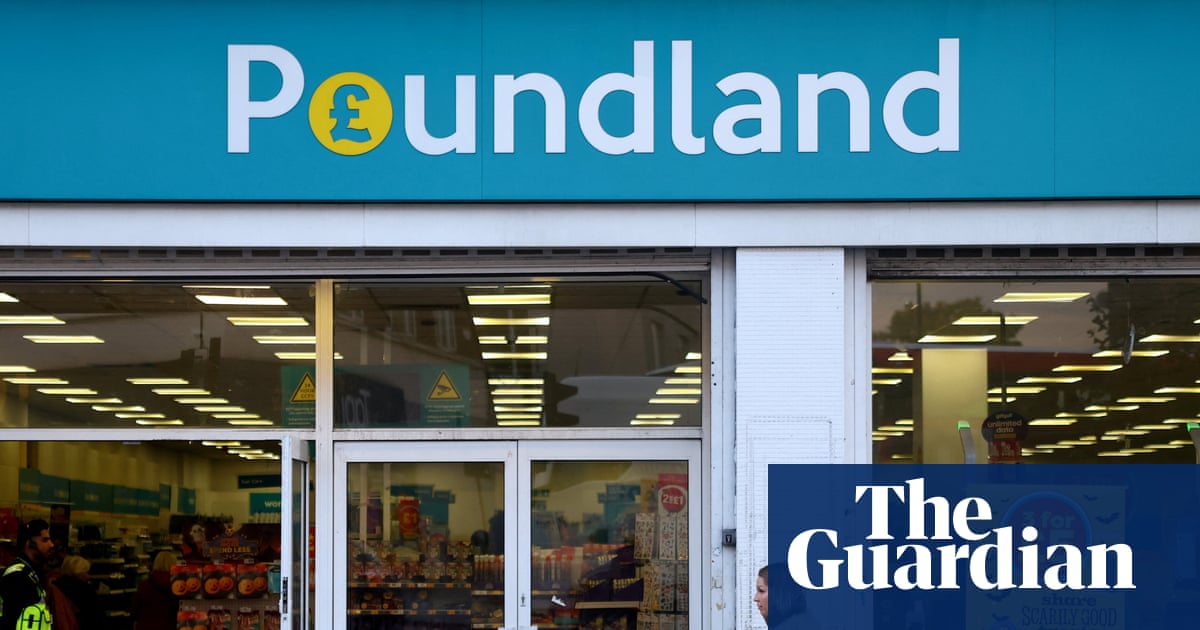
The future of the high street retail chain Poundland hangs in the balance, with thousands of jobs facing uncertainty amid restructuring battles and stalled delivery agreements. The company recently filed a notice of intention to appoint administrators at the high court, a legal move designed to protect the business from creditor demands while solutions are explored. However, suppliers withholding stock have heightened pressure on day-to-day operations.
Steve Smith, who founded the retailer in 1990 before selling his remaining stake years ago, voiced strong concern over the unfolding situation. He urged stakeholders to accept a proposed rescue deal rather than allowing the business to break up, warning that displaced workers could face prolonged unemployment in a tough labor market.
The Buyout Impasse
At the center of the dispute is a takeover proposal from the Martin Property Group. The prospective deal involves an upfront payment alongside deferred commitments over a two-year period, alongside the absorption of asset-backed debt. While former debt holders and external groups have expressed willingness to cooperate to keep the enterprise intact, the chain's current controller, the US restructuring specialist Gordon Brothers, has reportedly rejected the terms. The restructuring firm is understood to believe a breakup strategy could yield higher financial returns.
Political pressure has simultaneously mounted, with management scheduling talks with government employment ministers. Observers note that the friction highlights broader concerns surrounding private equity involvement in traditional retail, where asset management strategies can conflict with long-term operational stability.
Ripple Effects on the High Street
Beyond the direct workforce, the fallout threatens a vast network of dependent businesses. Suppliers, logistics providers, and neighboring stores rely on the consistent foot traffic generated by the discount chain. Industry analysts point out that retail environments are currently navigating compressed margins, rising operating costs, and shifting consumer habits, making sudden large-scale closures particularly damaging to regional shopping centers.
As discussions between stakeholders continue, the immediate window to secure a rescue package narrows, leaving employees and supply chain partners waiting for a resolution before the winter trading period.

