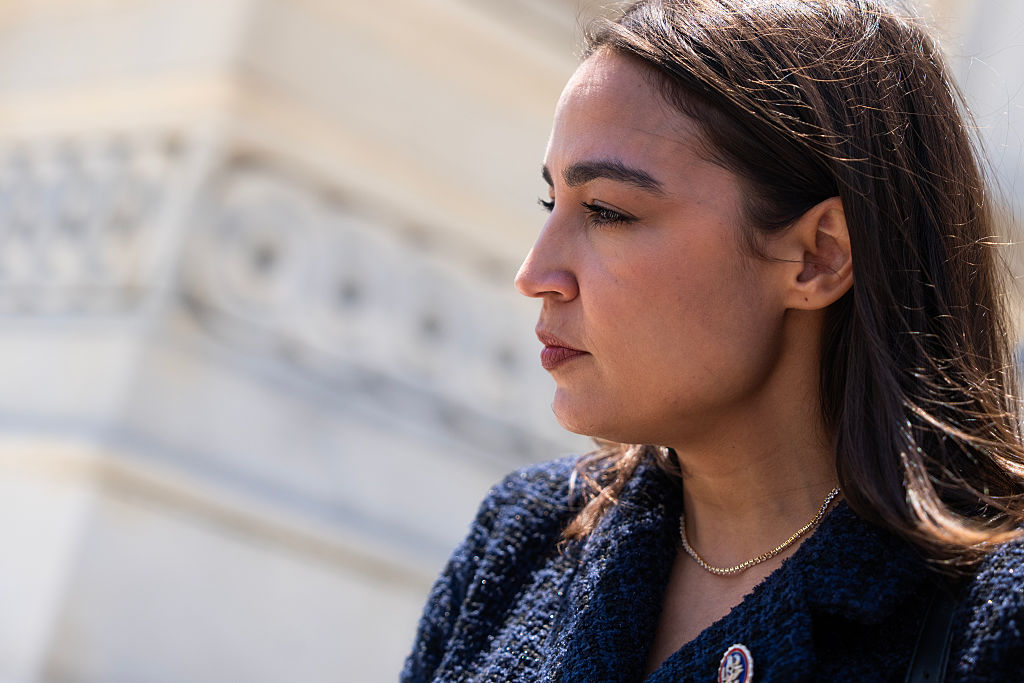
The Democratic Socialists of America (DSA) are increasingly discussing a potential national presidential campaign for Representative Alexandria Ocasio-Cortez in 2028. Moving past decades of operating largely on the political margins, the organization has experienced notable local and congressional gains, raising questions about whether a progressive standard-bearer could reshape national politics.
Recent months have seen local chapters from coast to coast passing resolutions urging a 2028 run, while national leadership explores processes that could formalize early endorsements. While internal debates remain robust regarding strategy, platform specifics, and broader coalition-building, the momentum within progressive circles highlights a concerted effort to translate grassroots organizing into national political leverage.
A High-Stakes Calculus for the Left
A prospective campaign brings profound strategic questions to the forefront of American politics. Proponents argue that a nationally recognized figure could effectively mobilize working-class voters, popularize progressive policies like universal healthcare, and offer a clear alternative to traditional moderate politics.
At the same time, observers within the broader political landscape raise concerns about electability, ideological polarization, and the practical challenges of unifying a diverse electorate under a democratic socialist banner. Some commentators note the complex balancing act required when navigating both mainstream party dynamics and distinct progressive platform goals:
America is perfectly capable of electing a woman of color. America is incapable, however, of electing a DSA woman of color. I support AOC's policies broadly, but I draw a sharp line between her platform and the literal DSA party platform.
Timing and Strategic Realities
Discussions surrounding a potential bid also highlight the perennial tension over political timing. While some activists believe that mounting economic anxieties and public fatigue provide an ideal window to challenge the political establishment, others caution against premature maneuvers that could alienate key moderate demographics or trigger fierce counter-mobilizations before foundational local work is fully secured.
Furthermore, the intersection of identity, ideology, and political culture remains a central theme in these debates. Observers frequently discuss how voters evaluate candidates who challenge established political norms, pointing to the delicate balance between inspiring a passionate base and building a broad, durable electoral coalition.
Looking Ahead
Whether a 2028 presidential campaign ultimately materializes remains an open question, dependent heavily on shifting political landscapes, legislative developments, and organizational cohesion. Regardless of the final path taken, the ongoing discussion underscores how significantly the boundaries of mainstream political conversation have shifted, setting the stage for high-stakes debates about the future direction of American governance.

